8 vies pour la planète
Maison des Associations
Av. Saint-Exupéry - 13250 Saint-Chamas, France
contact@8vies.fr
Project ZoRRO (Zostères, leur Retour Rapide comme Objectif — Seagrass, their Rapid Return as an Objective) has been our seagrass replanting project for 4 years.
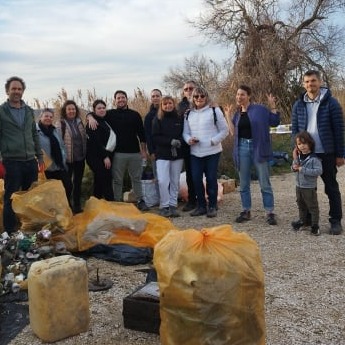
Organise seagrass transplanting days one Sunday per month.
Help sea eelgrass (Zostera marina) recolonise the Berre lagoon.
Contribute to biodiversity development and ensure the quality of marine ecosystems through seagrass replanting.
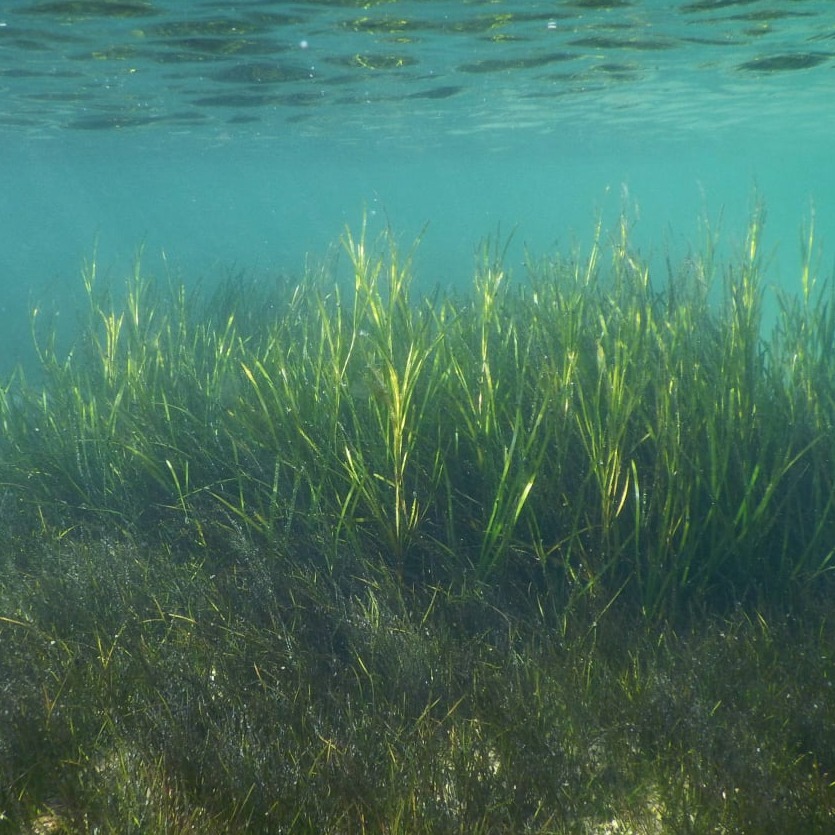
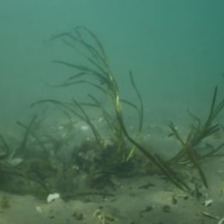
Sea eelgrass, once dominant across almost all of the lagoon's shoreline, disappeared in the 1970s. In recent years, physical and biological conditions have become favourable again. Spontaneous, significant and well-documented recolonisation of the lagoon by dwarf eelgrass (Zostera noltei) has occurred.
Since 2021, our association has been running the ZoRRO project, which aims to reintroduce sea eelgrass into the Berre lagoon — since it was not returning on its own. The project is meeting its goals, with notably good development on the rocky coast of Istres (16 patches over 0.25m²) now including natural seeding, plus several other "success sites" where patches (0.25m²+) are growing. This citizen science project enjoys strong public participation.
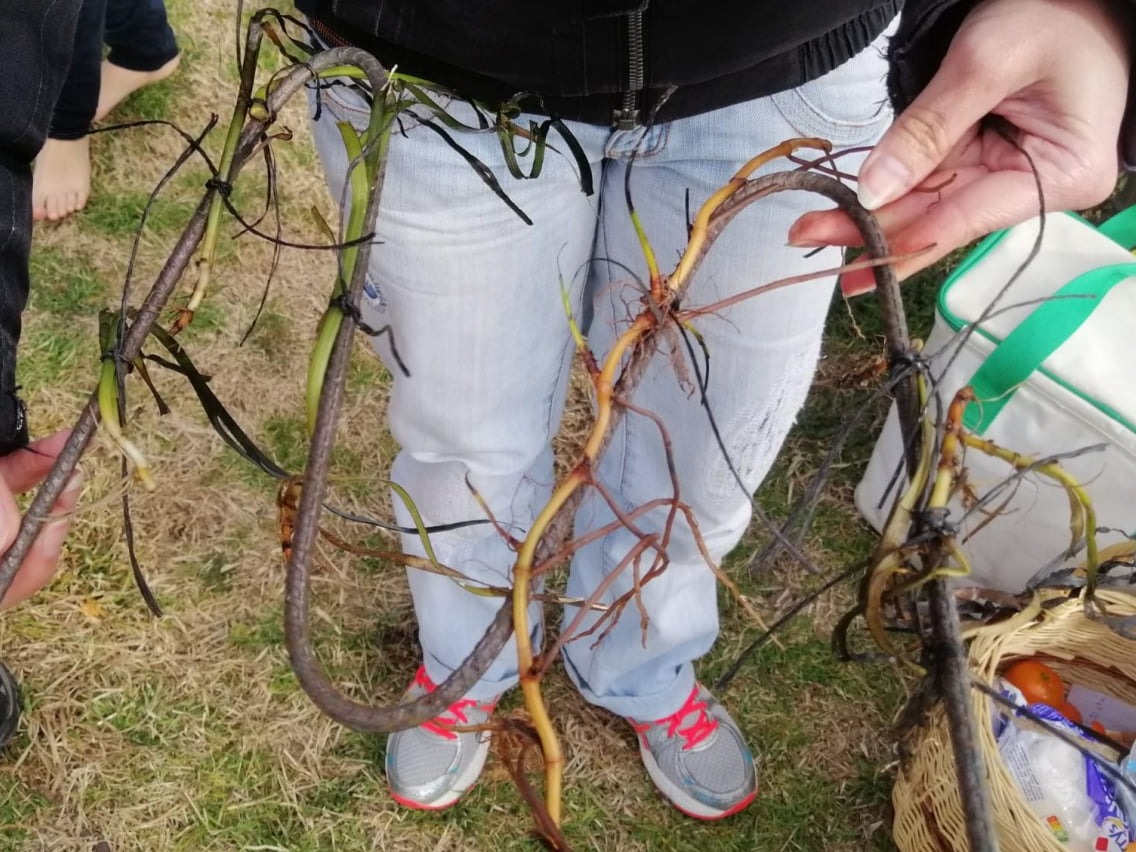
In 2024, we tested methods that allowed us to expand our transplanting activities to a larger scale. Various transplanting methods were tested in addition to the one used throughout the year with washed-up rhizomes.
Our monitoring reports and seasonal campaign reports are available below.
In 2025, the ZoRRO5 campaign was authorised and we have already completed the seed campaign.
They talk about us...
ESRA website
Seagrassrestorer website
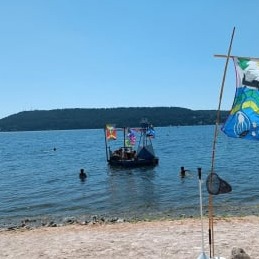
We organise outings to collect washed-up sea eelgrass at Port-Saint-Louis-du-Rhône (without damaging existing beds) and replant it at various geolocated sites around the Berre lagoon (Saint-Chamas, Istres, Martigues, St-Mitre-les-Remparts). Around ten transplanting action days are organised each year using the different methods and tools we develop.
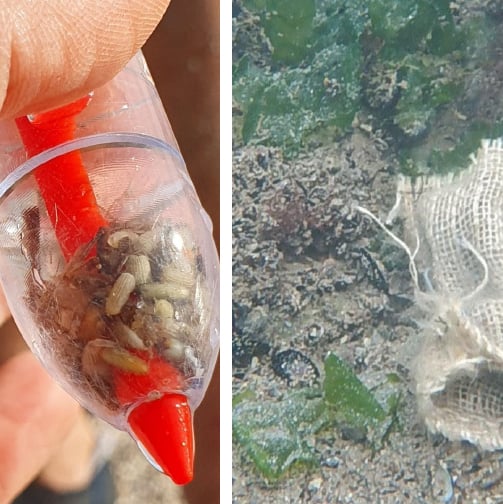
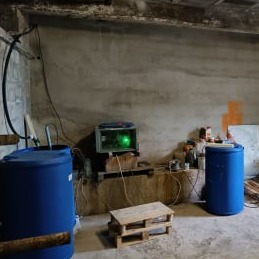
For the fifth year, we are improving our seed transplanting processes. Reproductive spikes containing seeds are collected from May to June at Port-Saint-Louis-du-Rhône. They mature all summer in tanks filled with seawater and renewal systems. We sow the seeds in November, when they are ready to germinate. In 2025, we used improved tools including jute bags and a seed drill to increase transplanting scale and success rates.